Quick Guide Fluffy Cap Packaging Machines
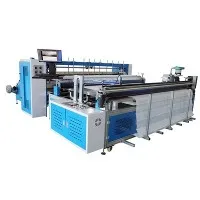
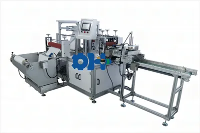
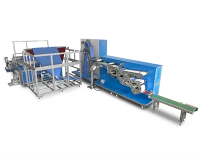
Fluffy cap packaging machines is an automatic packaging equipment designed for soft components such as plush cushions and sealing gaskets. Widely used in food, pharmaceutical, cosmetics, chemicals and other grocery industry. Its core functions are accurate loading, inspection, assembly, sealing and tray sealing to ensure packaging efficiency and sealing. Here's a brief look at the core components:
I. Core Applications and Application Scenarios
Applicable Products: Plastic, metal and composite fluffy caps between 30mm and 135mm in diameter, including caps with sealing gaskets, plush cushions and clasp designs.
Application Industries:
Food industry: canned nuts, canned milk powder cans, canned sweets and other antioxidant packaging;
Pharmaceutical industry: GMP standard, fluffy bottle top sterile packaging;
Cosmetics industry: cushioned bottle cover packaging, suitable for cream jars, powder compacts;
Daily chemicals: assembly and sealing of skin-care and detergent bottle caps and non-slip rings. Basic operating procedures (5-Step Quick Start)
1.Pre-Startup Preparation
Check the integrity and integrity of the exterior of the machine, conveyor belt, sealing mechanism, etc., to ensure that it is not loose or damaged.
Connect the stabilizer (grounding) to the air supply to confirm that the air pressure (0.5-0.8 m3/min) and voltage are normal.
Prepare appropriate fluffy lids and packaging materials and place them in designated hoppers or locations to ensure adequate supplies.
Clean up the work area, remove clutter and prevent machine interference.
2. Parameter Settings
packaging speed (20-300 pieces perminute, optional), sealing temperature and sealing force (adjustable to 0.3-2 MPa) are set by touch screen (mainly PLC).
If cap specifications changes, adjust the width of the sealing machine and the spacing of the clamping mechanism to ensure that the fluffy sealing cover is not compressed or deformed.
Calibration of AI visual detection parameters (intelligent models) and development of defect detection criteria (e.g. scratches, cushions, etc.). Trial Run and debugging
Empty start, observe the smooth operation of conveyor belt, clamping mechanism and sealing machine.
Test a small number of fluffy caps to test packaging to see if the cap is in the correct positioning, airtight and centre lining is secure.
If there is deviation or poor sealing, the clamping force, transmission speed or sealing temperature should be fine-tuned until the desired effect is achieved.
4. Formal operation
Switch to auto mode and keep adding fluffy lids to the packaging. The machine will automatically complete the loading, inspection, assembly, sealing and discharge processes.
During use, check the packaging results regularly for defects and abnormal noise. Deal with material jams and sealing loss in a timely manner.
V. Closures and closures
When production is complete, close the feeder. Once the remaining cover of the machine has been emptied, shut off the power and air supply.
Wash machine surfaces, hoppers and conveyor belt for residue and dust, and wipe the operating panel with a soft cloth.
Record production quantity and machine operation status for reference. III. Daily Maintenance Highlights
Wash: After daily downtime, clean inside and outside the equipment. Compressed air is used to remove dust from the feed system. Wash any residue on the sealant surface with a wire brush coated with silicone lubricant.
Lubrication: weekly Apply of special lubricant for moving parts such as gears, bearings and chains to avoid dry grinding.
Check: Tighten fasteners regularly, check for circuit damage, check for leakage of pneumatic components, and ensure cover is intact.
Replacement Consumable Parts: replace seals, conveyor belts, gaskets and other consumables according to the service life of consumables to avoid compromised packaging quality. IV. INTRODUCTION INTRODUCTION Common Troubleshooting
Fault Symptom Common Cause Solution
Fluffy covers clog, funnels clog, clamp gaps too small. Remove hopper debris and widen clamping gap.
Unsecured seal; Temperature too low, insufficient capping force. Increase sealing temperature and sealing force.
Falling / shifting of Matting material; dislocation of Positioning mechanism, high-speed operation of conveyor. Calibration of positioning parameters to reduce operation speed.
Detection error; visual sensor dirty, incorrect parameters. Clean sensors and recalibrate detection parameters.
Equipment noise; lack of oil in moving parts, loose fasteners. Add lube and tighten loose screws.
V. Selection and Usage Considerations considerations
1. Selection Recommendations
Small and medium-sized production (≤50 pieces/minute): selection of semi-automatic small machinery, balance of cost and flexibility.
Mass production (≥100 pieces/minute): Complete automatic production line is selected to support full process integration and increase production efficiency.
Pharmaceutical/food industry: 304 stainless steel and GMP/FDA compliant preferred. (a) Certification model;
For multi-specification production: Choose a flexible mode with fast-changing modules to reduce changeover time to less than 20 minutes.
2. Safety Regulations
Operators must wear work clothes and gloves and must not enter equipment work areas.
During the operation of the equipment, if any abnormality is found, the emergency stop button should be pressed immediately to cut off the power supply and troubleshoot. Do not repair equipment when it is switched on.
Regular equipment training, familiar with operating procedures and emergency response procedures to avoid operational errors.
Nov 01, 2025
A Simple Guide To Bouffant Cap Packing Machines
Send Inquiry
Product Categories
Latest Products