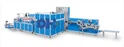
Plastic shoe covers, also known as disposable shoe covers or booties, serve various purposes in different industries and settings. Here are some common uses of plastic shoe covers:
Hygiene and Cleanliness: Plastic shoe covers are often used in environments that require strict hygiene standards, such as hospitals, clinics, laboratories, and food processing facilities. They help prevent the transfer of dirt, dust, and contaminants from footwear into clean or sterile areas.
Contamination Control: In cleanrooms, manufacturing facilities, or research laboratories, plastic shoe covers are used to minimize the introduction of particles, microorganisms, or chemicals from the outside environment. They are worn to maintain the integrity of sensitive processes or to protect products from potential contamination.
Safety and Hazard Prevention: Plastic shoe covers can provide an additional layer of protection against hazardous substances, spills, or chemicals. They are commonly used in industrial settings, construction sites, or when handling potentially dangerous materials to reduce the risk of exposure.
Real Estate and Showings: Plastic shoe covers are sometimes used in real estate when prospective buyers or guests visit a property. By wearing shoe covers, visitors can keep their footwear clean and prevent dirt, mud, or debris from being tracked into the house.
Hospitality and Service Industry: In certain service-oriented industries like hotels, spas, or cleaning services, plastic shoe covers can be used by staff to maintain cleanliness and protect floors or carpets while moving between areas.
It's important to note that while plastic shoe covers provide temporary protection, they are typically designed for single-use and should be disposed of properly after each use to maintain hygiene standards.