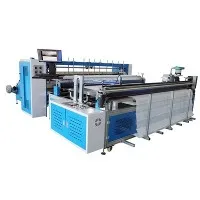
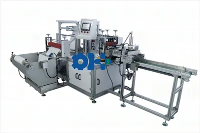
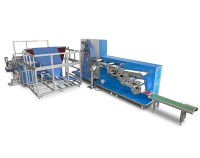
Various machines are used in the manufacturing process of face masks, depending on the type and construction of the masks. Here are some commonly used machines in face mask production:
1.Mask Cutting Machine: This machine is used to cut the mask materials into the desired shape and size. It can handle different types of materials such as non-woven fabric, melt-blown fabric, or other filter materials. The cutting machine may utilize techniques like ultrasonic cutting or die cutting to achieve precise and uniform mask shapes.
2.Mask Forming Machine: The forming machine is used to shape and form the mask layers into the final three-dimensional structure. It takes the cut mask materials and folds them into the proper shape, creating the structure that fits over the nose and mouth. The forming machine may use heat or pressure to ensure the layers adhere together securely.
3.Ultrasonic Welding Machine: Ultrasonic welding machines are commonly used in mask production to join the different layers of the mask together. The machine applies high-frequency vibrations to create heat, which fuses the layers of the mask, providing a strong bond. Ultrasonic welding is particularly effective for non-woven fabrics and creates a seamless and durable connection between the layers.
4.Earloop Welding Machine: This machine is specifically used to attach earloops or headbands to the mask. It takes the elastic bands or straps and securely attaches them to the sides of the mask, allowing for a comfortable and secure fit over the ears or head.
5.Nose Wire Insertion Machine: Some masks include a nose wire or nose clip for better fit and seal. The nose wire insertion machine is used to insert the metal or plastic wire into the mask, typically at the top edge, allowing the wearer to mold the mask around the nose for a snug fit.
6.Mask Packaging Machine: Once the masks are produced, they need to be packaged for distribution and sale. Mask packaging machines are used to package the masks into individual bags or boxes, ensuring hygiene and convenience for the end-users.
These are just a few examples of the machines involved in face mask production. The specific machines and processes can vary depending on factors such as the type of mask being produced (surgical mask, N95 respirator, cloth mask, etc.) and the production scale. Manufacturers may also use additional machines for tasks such as printing, quality control, or specialized features specific to certain mask types.